
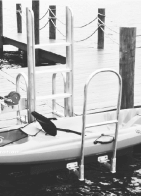
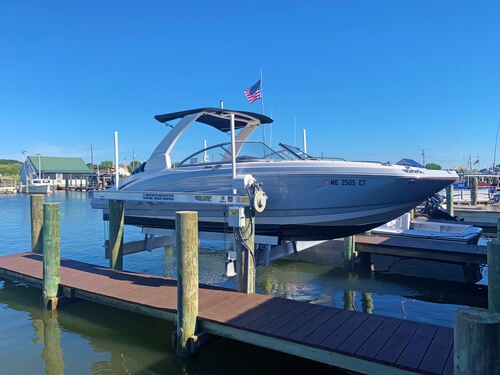
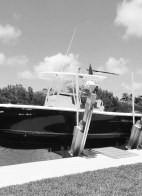
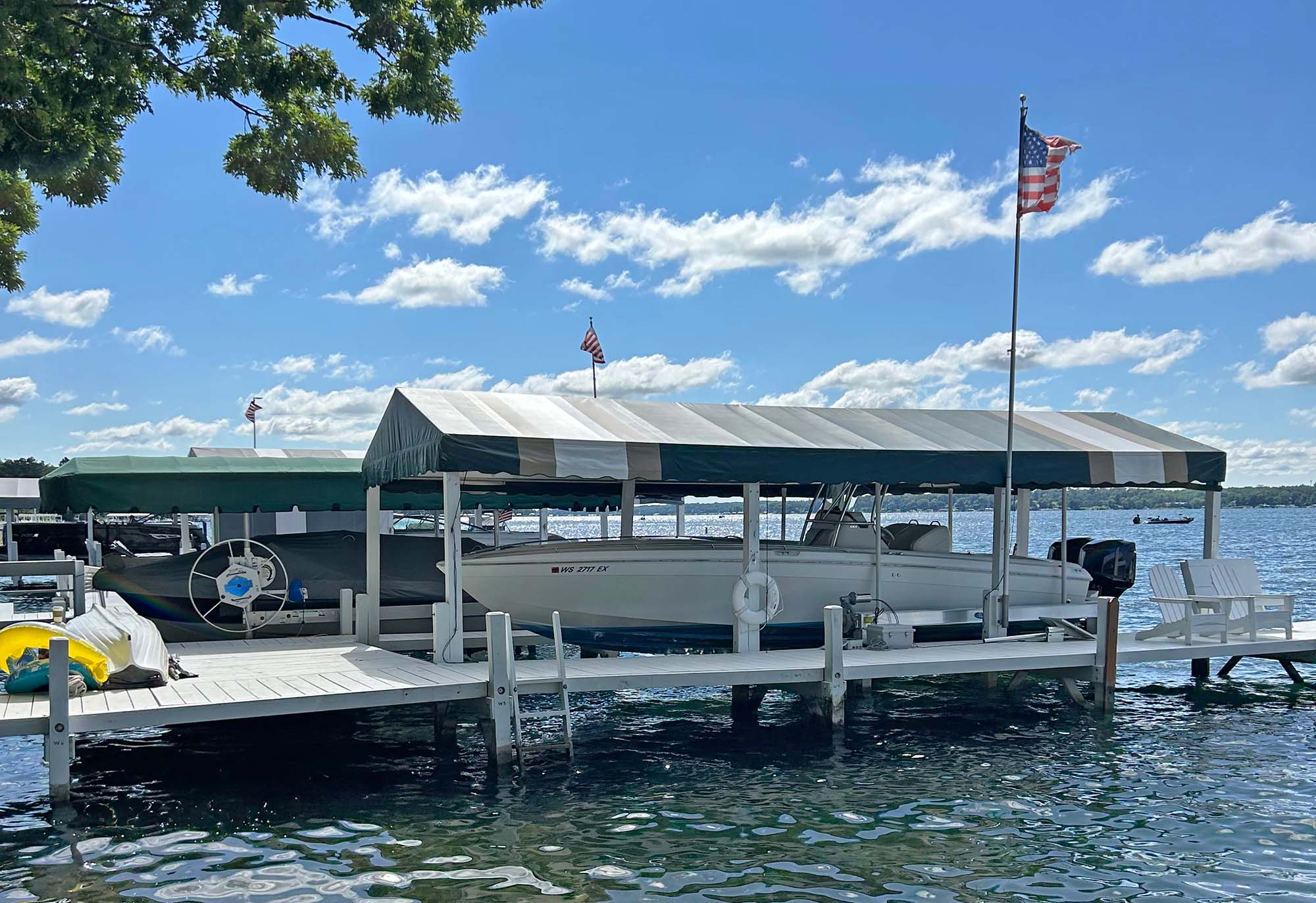
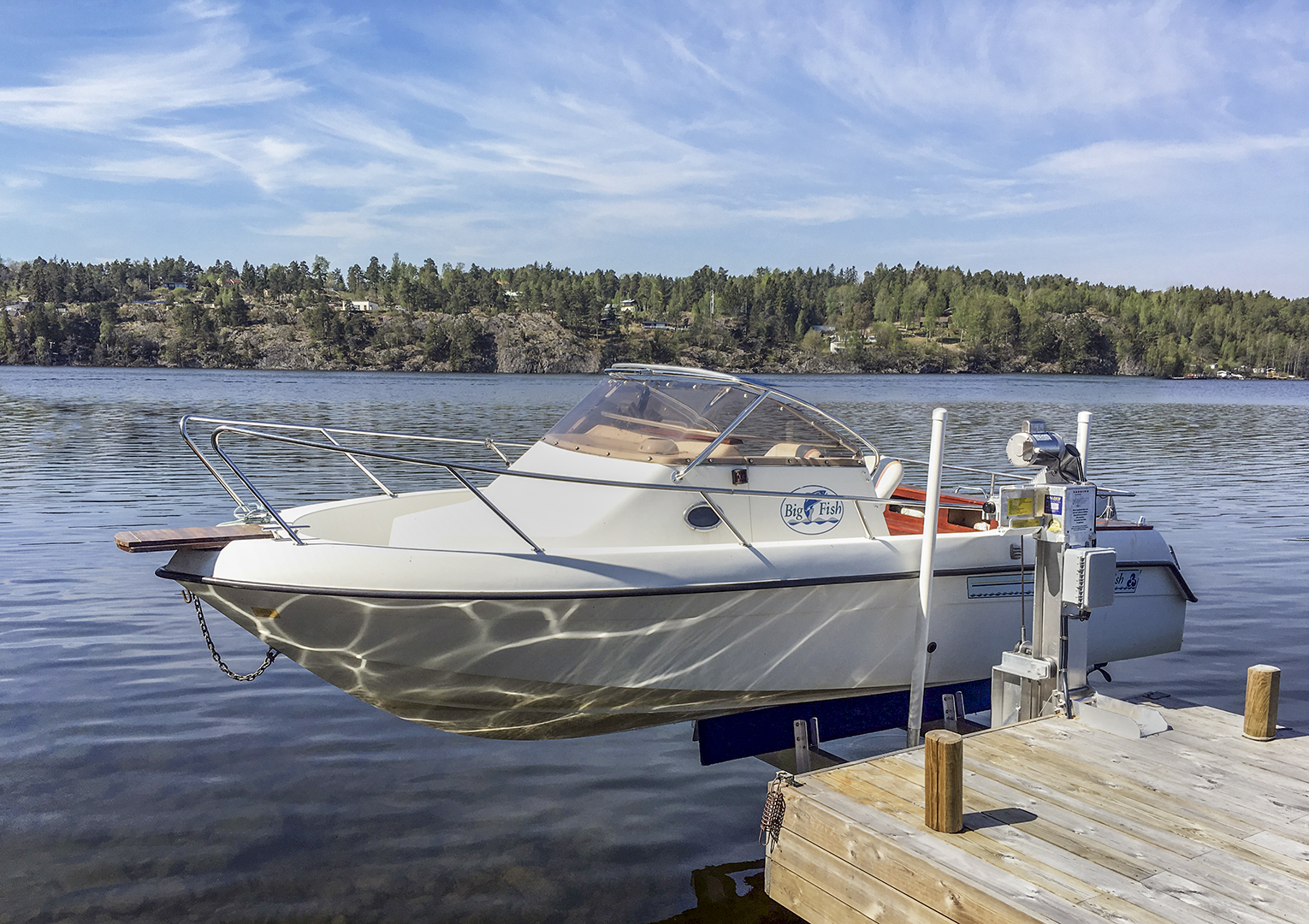


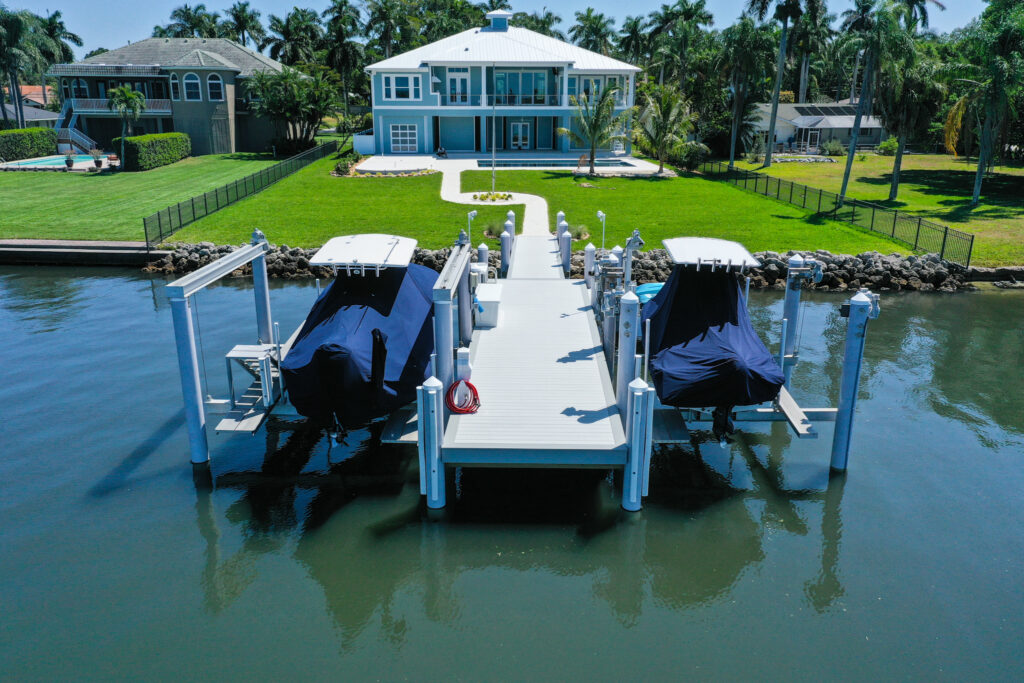
For waterfront property owners, hurricane season is more than just a date on the calendar—it’s a reminder that preparation is critical. Strong winds, storm surge, heavy rainfall, and debris can cause significant damage to docks, boat lifts, vessels, and waterfront structures. Taking proactive steps before a storm threatens your area can help minimize damage, protect your investment, and make recovery easier after the storm passes.
Start with a Waterfront Inspection
Before hurricane season begins, conduct a thorough inspection of your entire waterfront property. Look for signs of wear, corrosion, loose hardware, damaged pilings, deteriorated decking, and electrical issues. Small problems can become major failures when subjected to hurricane-force winds and storm surge.
Pay particular attention to:
- Boat lifts and lift motors
- Dock structures and pilings
- Electrical connections and control boxes
- Seawalls and retaining structures
- Mooring systems and cleats
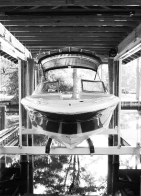
- Boat house roofs and support systems
Addressing maintenance issues early can greatly improve your property’s ability to withstand severe weather.
Prepare Your Boat Lift
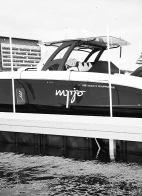
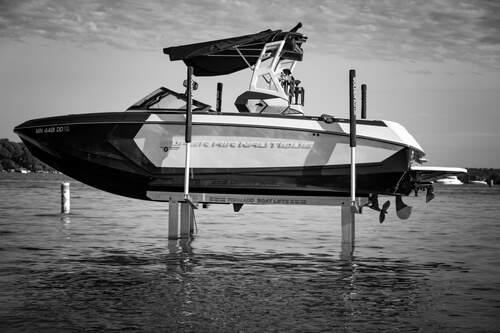
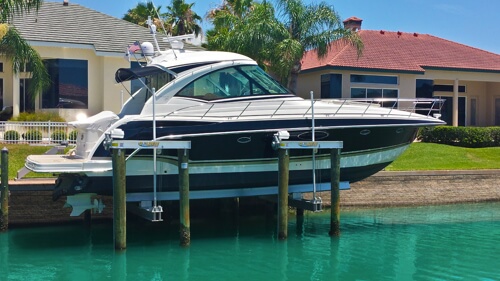
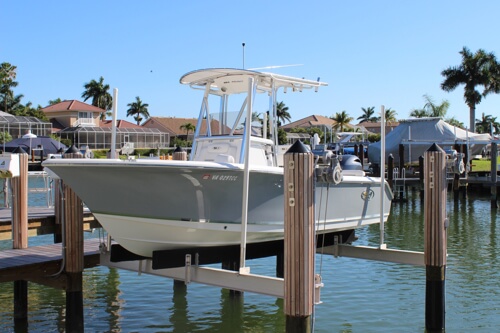
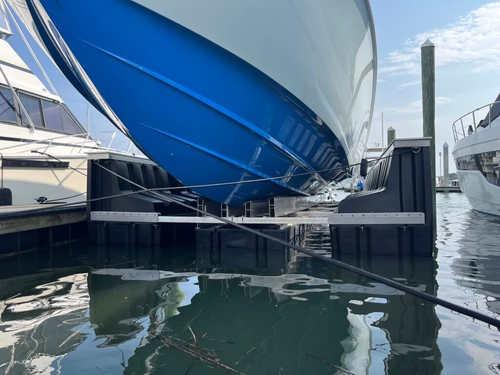
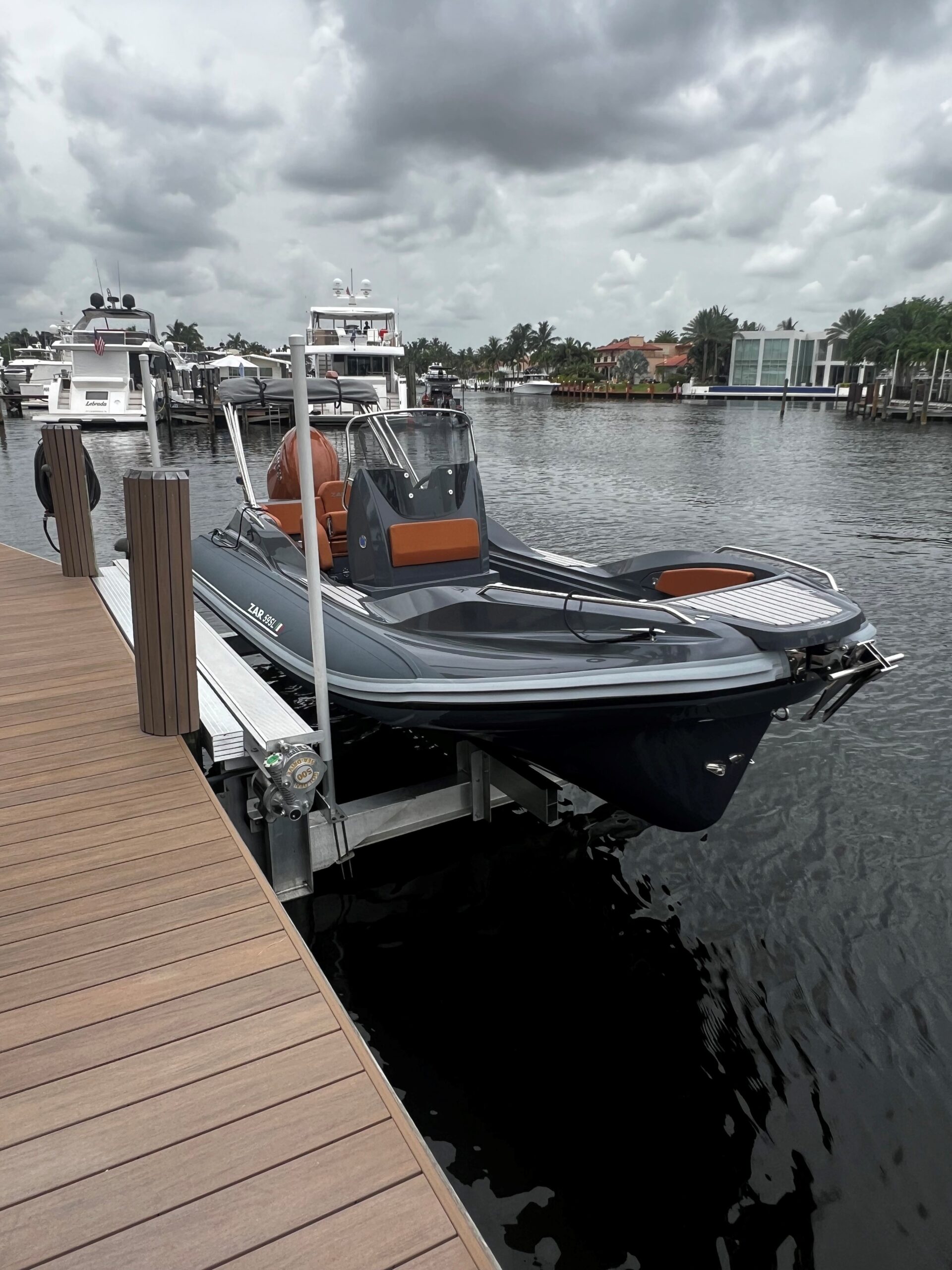
A boat lift is one of your best defenses against storm-related damage when used correctly. However, every lift and waterfront situation is different, so always follow the manufacturer’s recommendations and consult your local dealer.
General hurricane preparation steps may include:
- Inspecting cables, pulleys, and drive components
- Tightening loose hardware
- Verifying proper operation before a storm arrives
- Removing unnecessary accessories or loose items attached to the lift
- Ensuring backup power options are available if needed
Many Golden Boat Lifts owners appreciate that the patented Sea-Drive® system can be operated using a standard power drill if electrical service is interrupted before or after a storm.
Secure or Remove Loose Items
One of the most common causes of storm damage is flying debris. Outdoor furniture, coolers, dock boxes, grills, planters, and other loose items can become dangerous projectiles during high winds.
Before a storm:
- Remove loose items from docks and waterfront areas
- Store equipment indoors when possible
- Secure furniture and accessories
- Remove boat covers if recommended by the manufacturer, as they can catch wind and create additional stress
Reducing debris around your property helps protect both your waterfront structures and neighboring properties.
Have a Plan for Your Boat
Whether you keep your vessel on a lift, in a marina, or on a trailer, you should have a hurricane plan well before a storm enters the forecast.
Important considerations include:
- Knowing where your boat will be stored
- Reviewing your insurance coverage
- Keeping registration and insurance documents accessible
- Checking batteries and bilge systems
- Following manufacturer and marina recommendations
Waiting until a storm is approaching often limits your options and increases risk.
Protect Your Dock and Marina Infrastructure
Dock systems are particularly vulnerable to storm surge and wave action. Inspect all connections, gangways, and attachment points before hurricane season begins.
Marina operators should review emergency procedures with staff and ensure that:
- Emergency contact information is current
- Fuel systems are secured
- Electrical systems are inspected
- Floating dock connections are in good condition
- Emergency equipment is readily available
A well-prepared marina can significantly reduce damage and improve recovery times after a storm.
Review Your Insurance Coverage
Many property owners discover coverage gaps only after a storm occurs. Before hurricane season:
- Review waterfront structure coverage
- Verify boat and lift coverage limits
- Document existing conditions with photographs
- Store important records digitally
- Understand deductibles and claim procedures
Keeping accurate records can help streamline the claims process if damage occurs.
Build an Emergency Supply Kit
Every waterfront property should have an emergency kit that includes:
- Flashlights and batteries
- Portable phone chargers
- Basic tools
- First aid supplies
- Drinking water
- Weather radio
- Copies of important documents
Having supplies readily available can make a significant difference if power outages or access issues occur after a storm.
Don’t Wait for the Forecast
The best time to prepare for hurricane season is before the first tropical system appears on the radar. Regular inspections, preventative maintenance, and a clear storm plan can help protect your waterfront investment and reduce stress when severe weather threatens.
For waterfront property owners, preparation isn’t just about protecting structures—it’s about safeguarding the lifestyle and memories that come with living on the water.
At Golden Boat Lifts, we’ve spent decades helping waterfront property owners protect their boats and improve their waterfront experience. With proper planning and preparation, you can enter hurricane season with greater confidence and peace of mind.